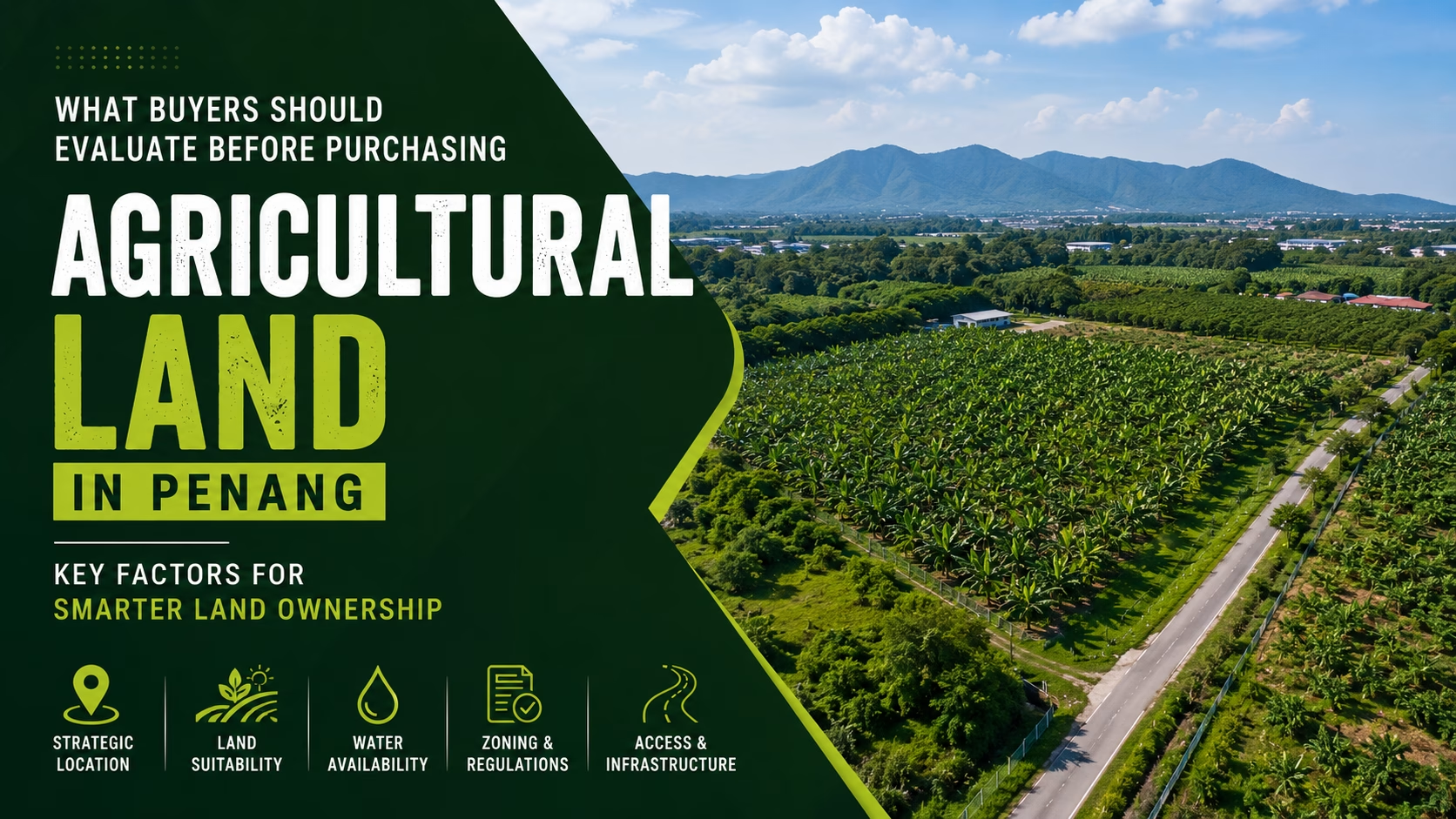
What Buyers Should Evaluate Before Purchasing Agricultural Land in Penang
Agricultural land continues to play an important role in Penang’s economic and land-use landscape despite the state’s ongoing urbanisation and industrial development. While Penang is often associated with manufacturing, logistics, tourism, and residential growth, agricultural activities remain significant across many parts of both Penang Island and mainland Penang.
As available land becomes increasingly limited, buyers searching for agricultural land opportunities are becoming more selective in their decision-making. Purchasing agricultural land is very different from acquiring residential, commercial, or industrial properties. Factors such as zoning regulations, accessibility, terrain conditions, water availability, surrounding developments, and long-term land suitability can significantly influence the value and usability of a site.
For many buyers, agricultural land represents more than just farming potential. Depending on location and land characteristics, it may support future agricultural expansion, agri-tourism activities, food production initiatives, orchard development, or long-term land ownership strategies.
Before purchasing agricultural land in Penang, understanding the factors that influence its practicality and long-term viability is essential.
Businesses and buyers searching for agricultural land opportunities can explore available listings through Penang agriculture land listings and review additional property opportunities through Industrial Propstreet.
Not All Agricultural Land Serves the Same Purpose
One of the most common mistakes made by first-time buyers is assuming that all agricultural land offers similar opportunities.
In reality, agricultural land can vary significantly depending on location, topography, soil conditions, access infrastructure, surrounding land use, and legal restrictions. A parcel of agricultural land that is highly suitable for fruit cultivation may not necessarily be ideal for livestock activities or commercial farming operations.
Within Penang, agricultural land is distributed across a diverse range of environments. Mainland Penang, particularly within Seberang Perai Utara and Seberang Perai Selatan, continues supporting large-scale agricultural activities, while certain parts of Penang Island contain agricultural land associated with orchards, durian plantations, mixed farming, and small-scale agricultural operations.
Before evaluating price, buyers should first understand how they intend to utilise the land.
The suitability of agricultural land is often determined not by its size alone, but by how effectively it supports the intended agricultural activity. Factors such as crop selection, water requirements, machinery accessibility, workforce movement, and future maintenance obligations should all be considered during the evaluation process.
Agricultural land that aligns closely with a buyer’s operational objectives will often provide significantly greater long-term value than larger sites that may appear attractive initially but present practical limitations later.
Accessibility Often Has a Greater Impact Than Buyers Expect
Accessibility remains one of the most important considerations when purchasing agricultural land.
Many buyers focus primarily on land size and pricing while underestimating the long-term operational importance of access roads and transportation connectivity.
Agricultural activities require the regular movement of workers, equipment, fertilisers, harvested products, maintenance vehicles, and suppliers. Land that lacks proper road access can create ongoing operational challenges and increase transportation costs over time.
This consideration becomes increasingly important for commercial agricultural operations.
For example, transporting fresh produce, fruits, vegetables, or agricultural products efficiently often depends on reliable road infrastructure. Delays caused by poor accessibility can affect product quality, distribution schedules, and operational efficiency.
Penang’s transportation infrastructure continues improving through broader regional development initiatives. The state’s connectivity to major highways, logistics corridors, and urban centres provides significant advantages for agricultural operators that rely on market accessibility.
When evaluating agricultural land, buyers should consider not only current accessibility but also how future infrastructure improvements may influence long-term usability and operational convenience.
Terrain and Land Conditions Can Influence Future Costs
Agricultural land may appear attractive based on size and location, but physical land conditions often determine whether a property remains practical over the long term.
Terrain plays a significant role in agricultural productivity and development costs.
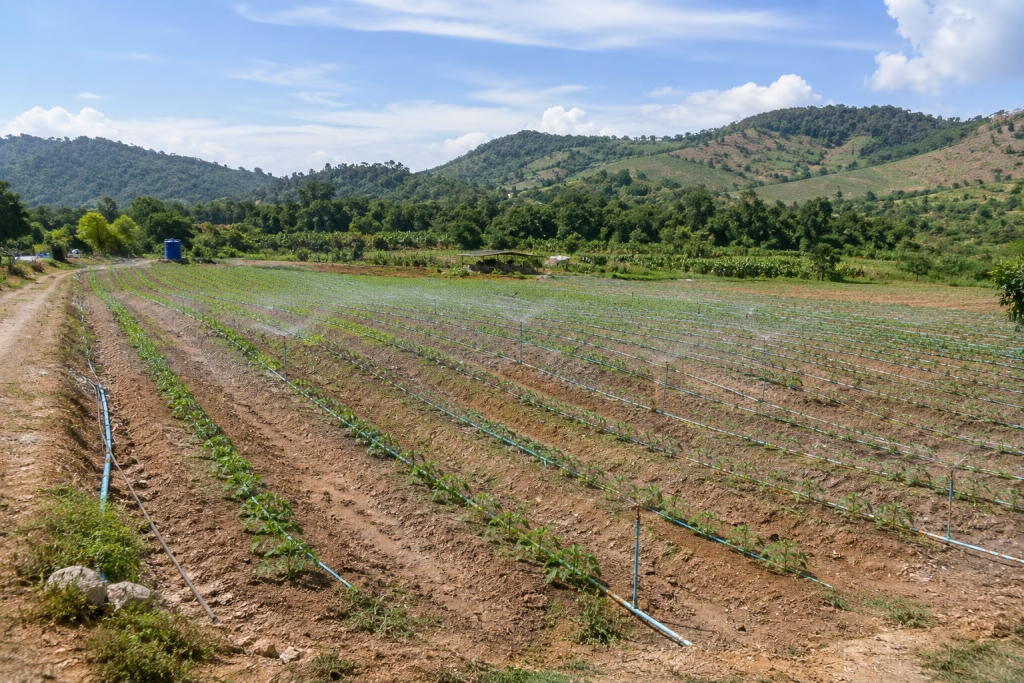
Flat or gently sloping land is generally easier to manage because it supports machinery movement, irrigation systems, maintenance activities, and harvesting operations more efficiently. In contrast, steep terrain may require additional infrastructure investment, erosion management, drainage solutions, or specialised farming methods.
Buyers should also evaluate soil conditions and water management requirements before making acquisition decisions.
The Department of Agriculture Malaysia continues emphasising sustainable land management practices and soil conservation as important components of agricultural productivity. Land suitability assessments can provide valuable insight into whether a site aligns with intended agricultural activities.
While some terrain challenges can be addressed through development and engineering solutions, these improvements often increase operational costs significantly.
Understanding land conditions early helps buyers avoid unexpected expenses and supports more informed decision-making.
Understanding Land Use Restrictions Is Essential
Agricultural land ownership does not automatically guarantee unrestricted development flexibility.
Land use regulations, planning guidelines, and zoning restrictions can affect how agricultural land may be utilised both now and in the future.
Before purchasing agricultural land, buyers should verify land titles, usage classifications, and any applicable planning requirements with relevant authorities.
This is particularly important for buyers considering activities beyond traditional agriculture.
For example, certain buyers may wish to explore agri-tourism projects, farm stays, educational farming initiatives, or integrated agricultural developments. While these opportunities may be viable in some locations, they often require additional approvals and compliance with local planning regulations.
Understanding these requirements before acquisition helps reduce future uncertainty and ensures that the intended use aligns with regulatory expectations.
Agricultural land should therefore be evaluated not only from a physical perspective but also from a legal and planning standpoint.
Water Availability Remains a Critical Long-Term Consideration
Regardless of crop type or agricultural activity, water remains one of the most important factors influencing land usability.
Reliable access to water directly affects agricultural productivity, operational sustainability, and long-term viability.
Buyers should carefully assess available water sources before purchasing agricultural land. This includes evaluating irrigation systems, nearby waterways, groundwater availability, drainage conditions, and seasonal water reliability.
Climate variability and changing weather patterns have increased the importance of water management across agricultural sectors globally.
In regions where water access is inconsistent, additional infrastructure investment may be required to support agricultural operations.
While land size and location often attract the most attention during property searches, long-term agricultural success frequently depends on whether adequate water resources are available to support intended farming activities.
For this reason, water accessibility should be considered a fundamental evaluation criterion rather than a secondary consideration.
Agricultural Land Is Increasingly Influenced by Broader Development Trends
Agricultural land markets do not operate independently from wider economic and development trends.
Penang continues experiencing growth across industrial, residential, logistics, and infrastructure sectors. These developments influence surrounding land values, transportation networks, labour availability, and future land-use dynamics.
At the same time, concerns relating to food security, agricultural sustainability, and domestic food production have increased interest in preserving productive agricultural land.
Malaysia’s Thirteenth Malaysia Plan (RMK13) continues emphasising food security, agricultural resilience, sustainable land management, and productivity enhancement within the agricultural sector. These priorities highlight the continuing importance of agricultural land within the country’s long-term development strategy.
As development pressures increase, buyers are becoming more selective when evaluating agricultural land opportunities.
Properties that combine accessibility, suitable terrain, reliable water access, and strong agricultural potential are often viewed more favourably because they offer greater long-term usability.
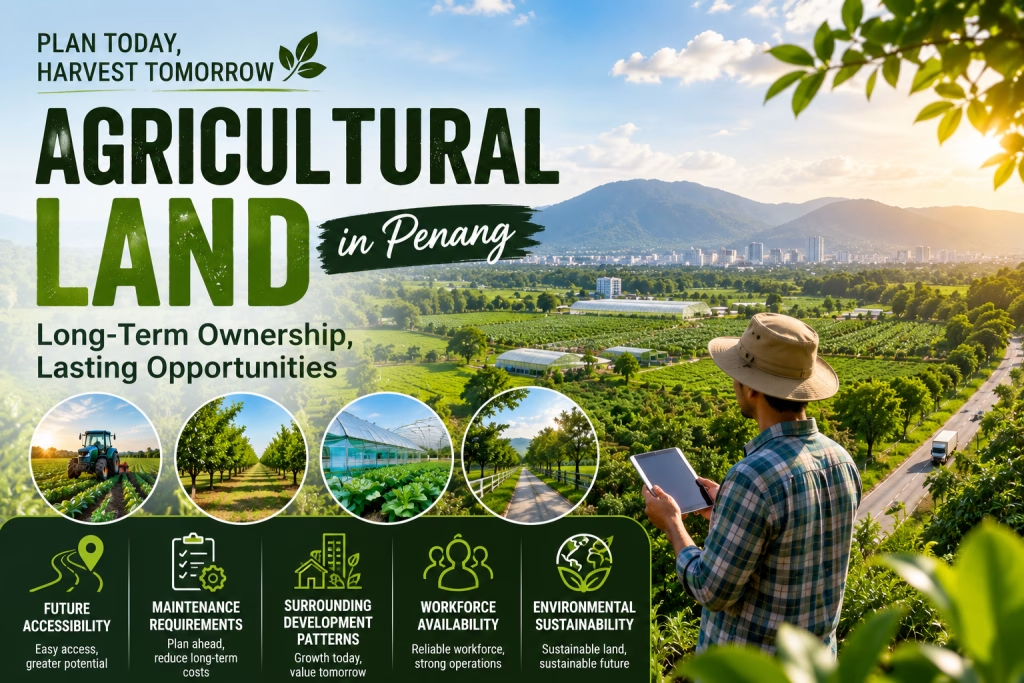
Long-Term Ownership Requires Looking Beyond Today’s Needs
Agricultural land is often acquired with long-term objectives in mind.
Unlike residential properties that may change hands relatively frequently, agricultural land ownership often spans decades. This means buyers should evaluate how a property may continue supporting future objectives as circumstances evolve.
For example, a site that currently supports small-scale farming activities may eventually be used for larger agricultural operations, orchard development, agri-tourism initiatives, or diversified agricultural projects.
Long-term ownership planning therefore requires considering factors beyond immediate operational needs.
Questions such as future accessibility, maintenance requirements, surrounding development patterns, workforce availability, and environmental sustainability can all influence the practicality of land ownership over time.
Buyers who adopt a long-term perspective are often better positioned to identify agricultural properties that remain useful and adaptable for many years.
Agricultural Land in Penang Continues Offering Diverse Opportunities
Despite ongoing urbanisation, Penang continues maintaining a diverse agricultural landscape.
Mainland Penang remains home to extensive agricultural activities involving paddy cultivation, fruit production, vegetable farming, aquaculture, and mixed agricultural operations. Meanwhile, selected areas on Penang Island continue supporting orchards, hill agriculture, and specialty crop cultivation.
This diversity creates opportunities for buyers with different objectives and operational requirements.
However, identifying suitable agricultural land requires more than simply comparing prices and acreage.
Successful land acquisition decisions typically involve careful evaluation of accessibility, terrain conditions, water resources, regulatory considerations, and long-term operational suitability.
By understanding these factors early, buyers can make more informed decisions and reduce the likelihood of unexpected challenges after acquisition. Buyers who are actively evaluating agricultural properties can also explore available agriculture land for sale in Penang to compare locations, land characteristics, accessibility, and agricultural potential across different parts of the state.
Frequently Asked Questions (FAQs)
What should buyers evaluate before purchasing agricultural land in Penang?
Buyers should evaluate accessibility, terrain conditions, water availability, zoning regulations, land use restrictions, and long-term suitability for their intended agricultural activities.
Is agricultural land suitable for activities beyond farming?
Depending on local regulations and approvals, some agricultural land may support activities such as orchards, agri-tourism projects, educational farming initiatives, or integrated agricultural developments.
Why is road access important when buying agricultural land?
Good accessibility improves operational efficiency by supporting the movement of workers, machinery, agricultural products, and maintenance services.
How important is water availability?
Water access is one of the most critical factors influencing agricultural productivity and long-term land usability. Buyers should assess water sources carefully before purchasing.
Does terrain affect agricultural land value?
Yes. Terrain can influence farming efficiency, development costs, irrigation requirements, and overall land suitability for different agricultural activities.
Conclusion: Careful Evaluation Leads to Better Agricultural Land Decisions
Purchasing agricultural land in Penang involves much more than identifying a suitable location or comparing property prices.
The long-term value of agricultural land is often determined by factors such as accessibility, terrain conditions, water availability, regulatory compliance, and future operational suitability. Buyers who carefully evaluate these considerations are often better positioned to secure land that supports their objectives for many years to come.
As agricultural land continues playing an important role within Penang’s evolving landscape, making informed acquisition decisions becomes increasingly important for both individual buyers and agricultural businesses.
Explore Agricultural Land Opportunities in Penang
Whether you are searching for agricultural land for farming, orchard development, agri-tourism projects, or long-term land ownership opportunities, selecting the right property requires careful planning and evaluation.
Browse the latest land opportunities through Industrial Propstreet and explore available agricultural properties across Penang and other regions of Malaysia.