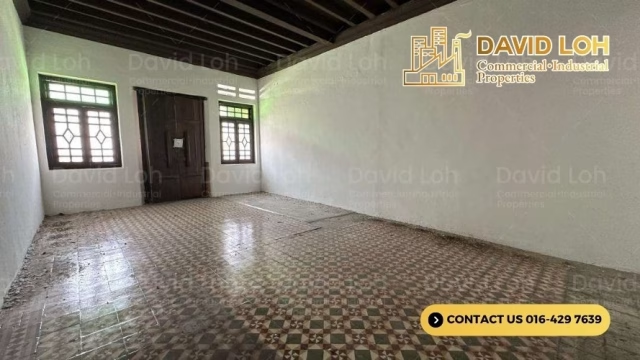
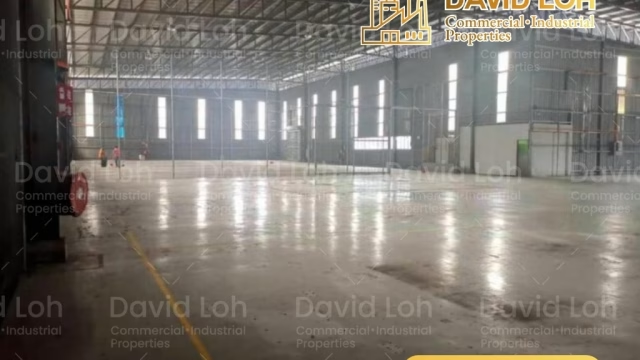
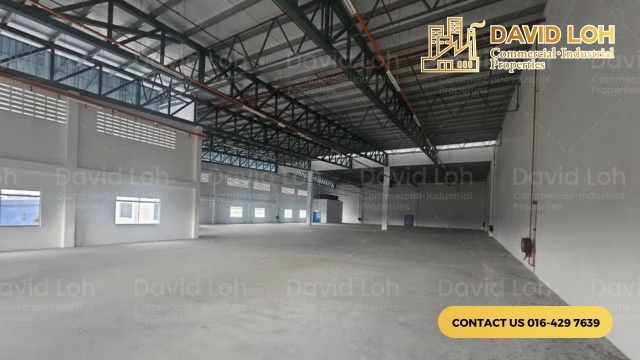
Commercial Shop House for Sale in Penang
Penang Commercial Shop House for Sale: The 2026 Connectivity Era
In 2026, the market for a Penang commercial shop house for sale has entered a new “connectivity-driven” phase. With the LRT Mutiara Line officially breaking ground in January 2026 and the Gurney Bridge now fully operational, commercial assets in George Town and its fringes are no longer just heritage pieces, they are strategic high-traffic nodes. Whether you are looking for a pre-war heritage gem in the UNESCO zone or a modern strata shop office in the rising Batu Kawan hub, Penang’s commercial sector remains the most resilient asset class in Northern Malaysia.
Commercial Listing in Penang
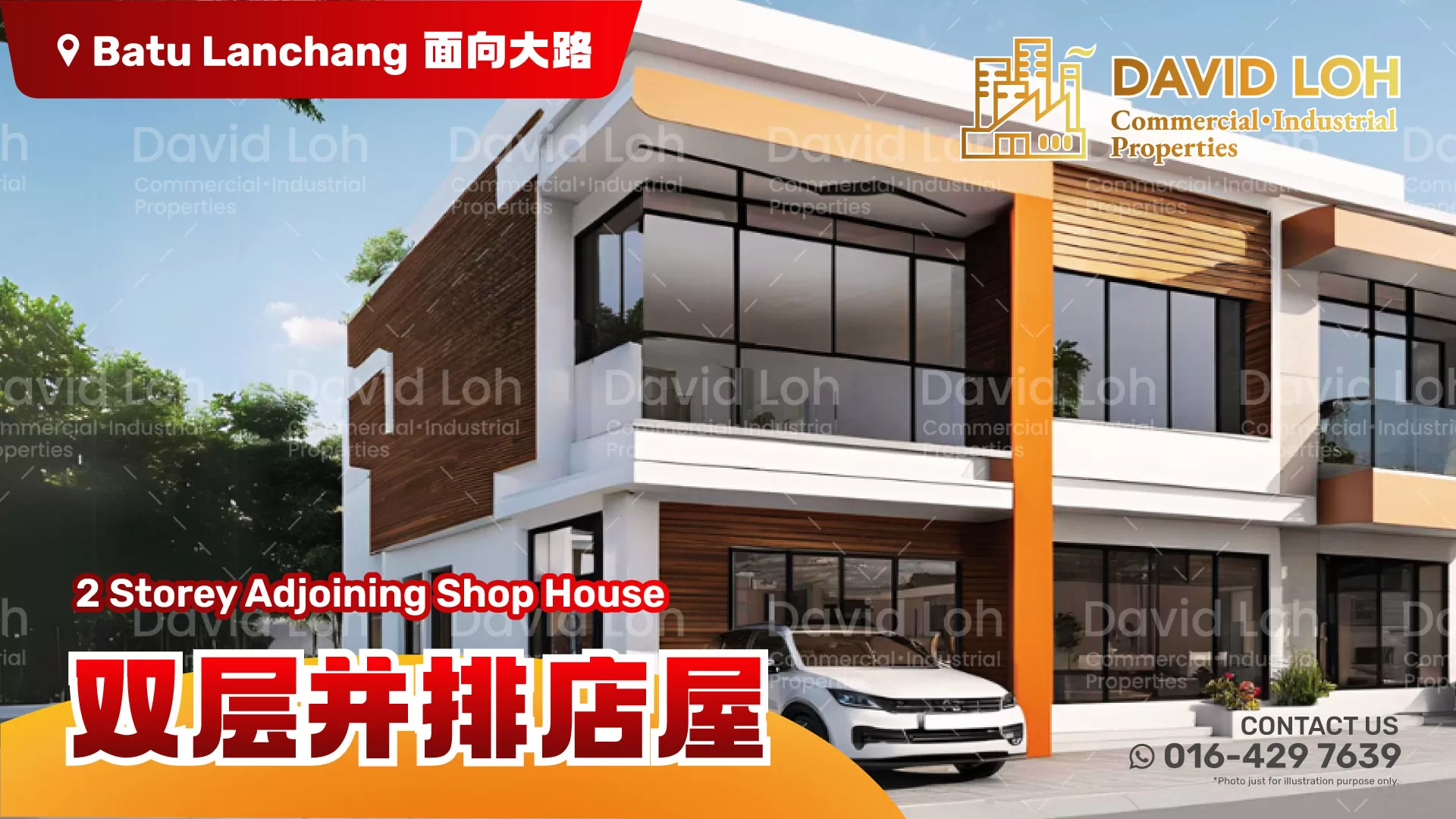

Why Choose Penang?
The Mutiara Line Multiplier Effect
The primary catalyst for commercial property in 2026 is the Penang LRT Mutiara Line. With construction active at the Komtar and Macallum hubs, shop houses located within a 500-meter radius of these stations have seen a significant spike in rental inquiries. For investors, purchasing a shop house along the LRT alignment offers a rare window to capitalize on future ridership and pedestrian flow before the line’s expected completion in 2031.
Gurney Bay & Andaman Link: A New Retail Axis
The December 2025 opening of the Gurney Bridge (the 8-lane link to Andaman Island) has shifted the commercial gravity of the northern coast. While Gurney Bay Phase 2 is currently in its final stages of completion (targeted for full public access by mid-2026), the increased connectivity to the 760-acre Andaman development is already driving up the value of commercial shop houses in the Pulau Tikus and Kelawai corridors. These areas are transforming into premium F&B and lifestyle hubs for the high-net-worth residents of the new man-made island.
Cultural Equity and UNESCO Status
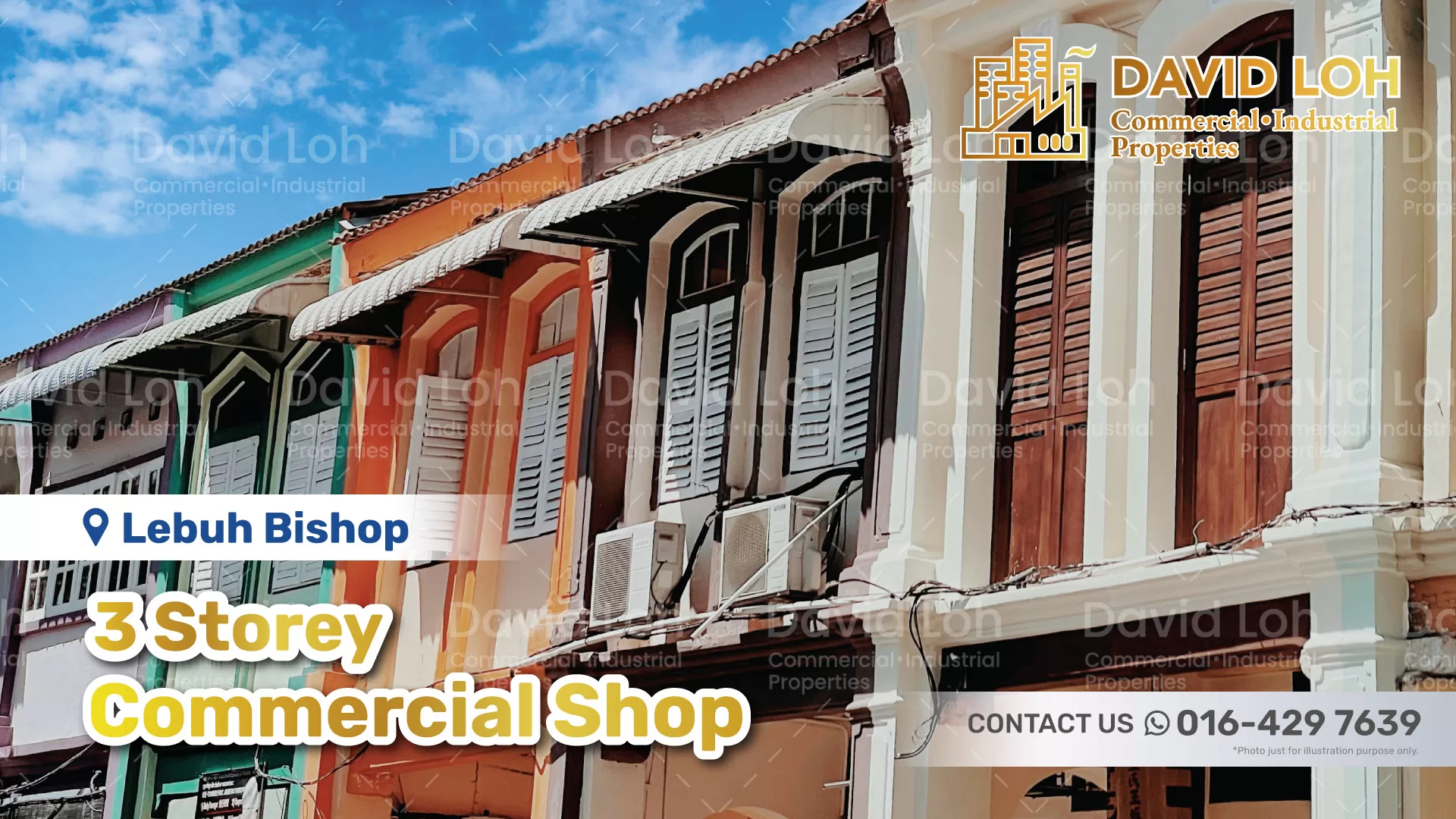
Owning a commercial shop house in Penang’s UNESCO World Heritage Site remains a unique “legacy” investment. Unlike modern developments, these properties have a finite supply. In 2026, the state’s heritage conservation guidelines have been streamlined under the George Town Special Area Plan (SAP), making it more efficient for owners to perform adaptive reuse, converting traditional structures into boutique hotels, co-working spaces or artisanal retail outlets.
Frequently Asked Questions (FAQs)
What are the requirements for converting a heritage shop house into a boutique hotel or cafe in 2026?
Under the George Town Special Area Plan (SAP), you must first obtain a Planning Permission (KM) and a Building Plan approval from the Penang Island City Council (MBPP). For Category II buildings, you are required to submit a Heritage Impact Assessment (HIA) if the usage changes. Key requirements include preserving the original facade, maintaining the “five-foot way” (kaki lima), and using traditional materials like lime plaster and terracotta tiles for any restoration work.
Does the new 2026 8% Foreigner Stamp Duty apply to shop houses?
Yes. Effective January 1, 2026, the stamp duty rate for foreign companies and non-citizens has been increased to a flat 8% on the Memorandum of Transfer (MOT). This replaces the previous tiered/4% system and applies to all property types, including commercial shop houses.
What is the status of the Gurney Bay Phase 2 facilities?
As of February 2026, Phase 1 (recreational park) is fully open. Phase 2 (Priority 2), which includes the hawker center, multi-storey car park and water taxi jetty, is entering the final testing and commissioning phase. The Gurney Bridge is already open to traffic, providing a critical link for commercial logistics in the area.
How does the Stamp Duty Self-Assessment System (SAS) affect my purchase?
Phase 1 of the SAS began on January 1, 2026. You are now responsible for self-assessing and paying stamp duty for tenancy agreements and loan documents via the LHDN MyTax portal. The property transfer (MOT) will transition to this self-assessment model in January 2027.
Is there a specific "Heritage Grant" for restoring shop houses in 2026?
Yes, the Think City and George Town World Heritage Incorporated (GTWHI) grants have been renewed for 2026. These provide matching grants or technical assistance for owners of Category I and II heritage buildings who wish to restore their properties using traditional materials and methods.